
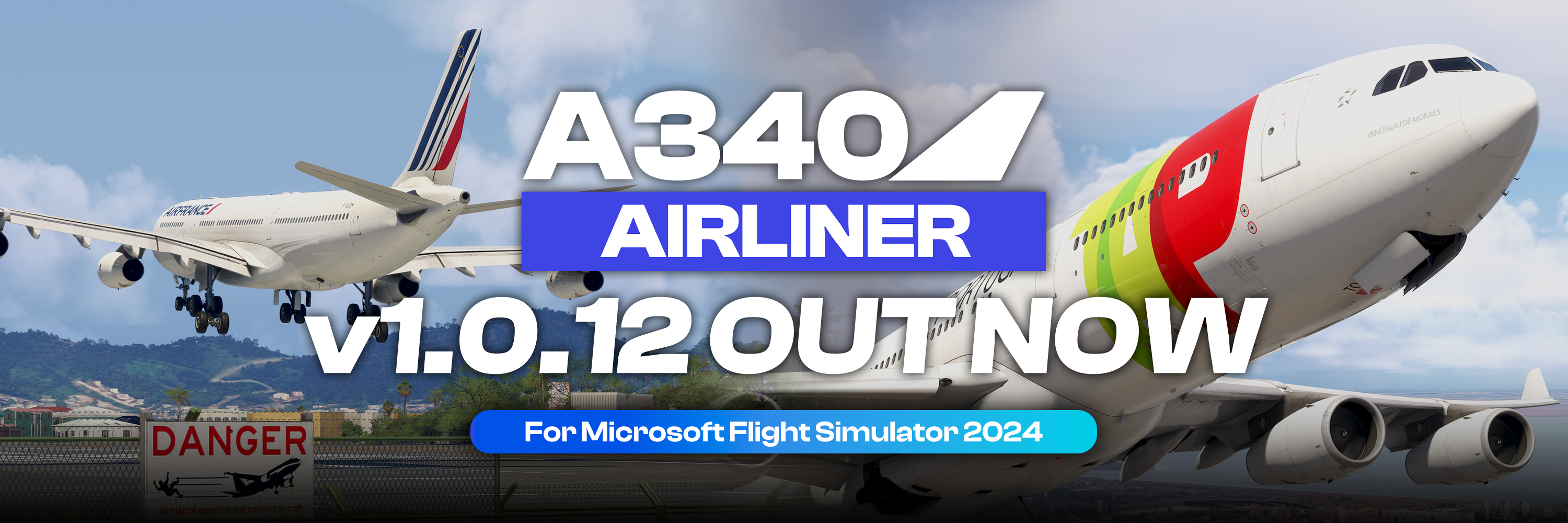
The iniBuilds A380 Airliner will be landing later today on the @MSFSofficial 2024 Marketplace! Liveries showcased in the Trailer can now be downloaded via the iniManager.
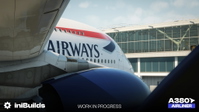
Devlog from
iniBuilds Airbus A380

iniBuildsUpdate
iniBuilds is a leading Microsoft Flight Simulator developer and publisher, creating highly detailed aircraft, airports, and tools that combine advanced systems, realism, and immersive experiences for
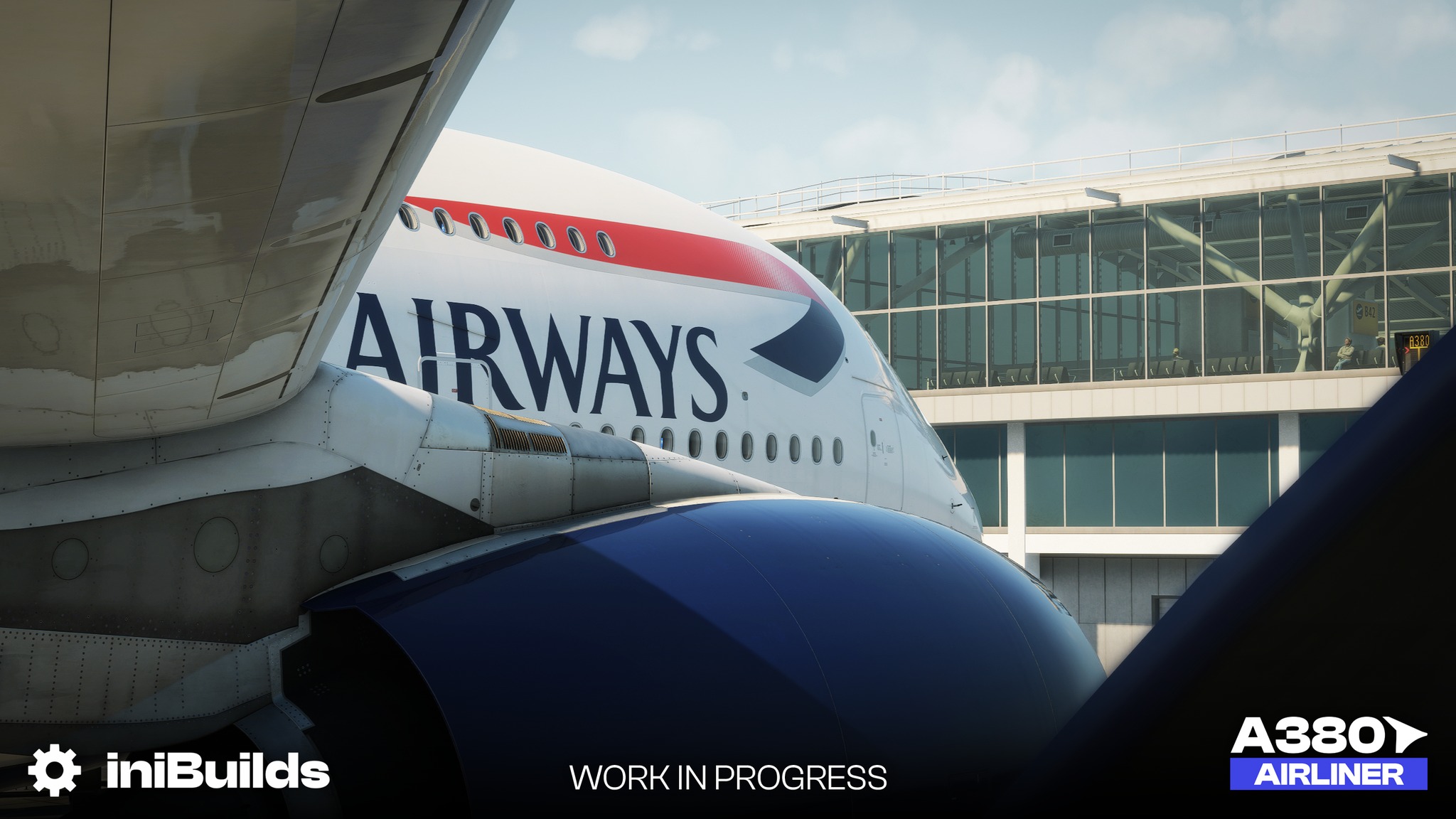
In 2019, we announced our first, most ambitious project ever. This month, we finally pull back the curtain.
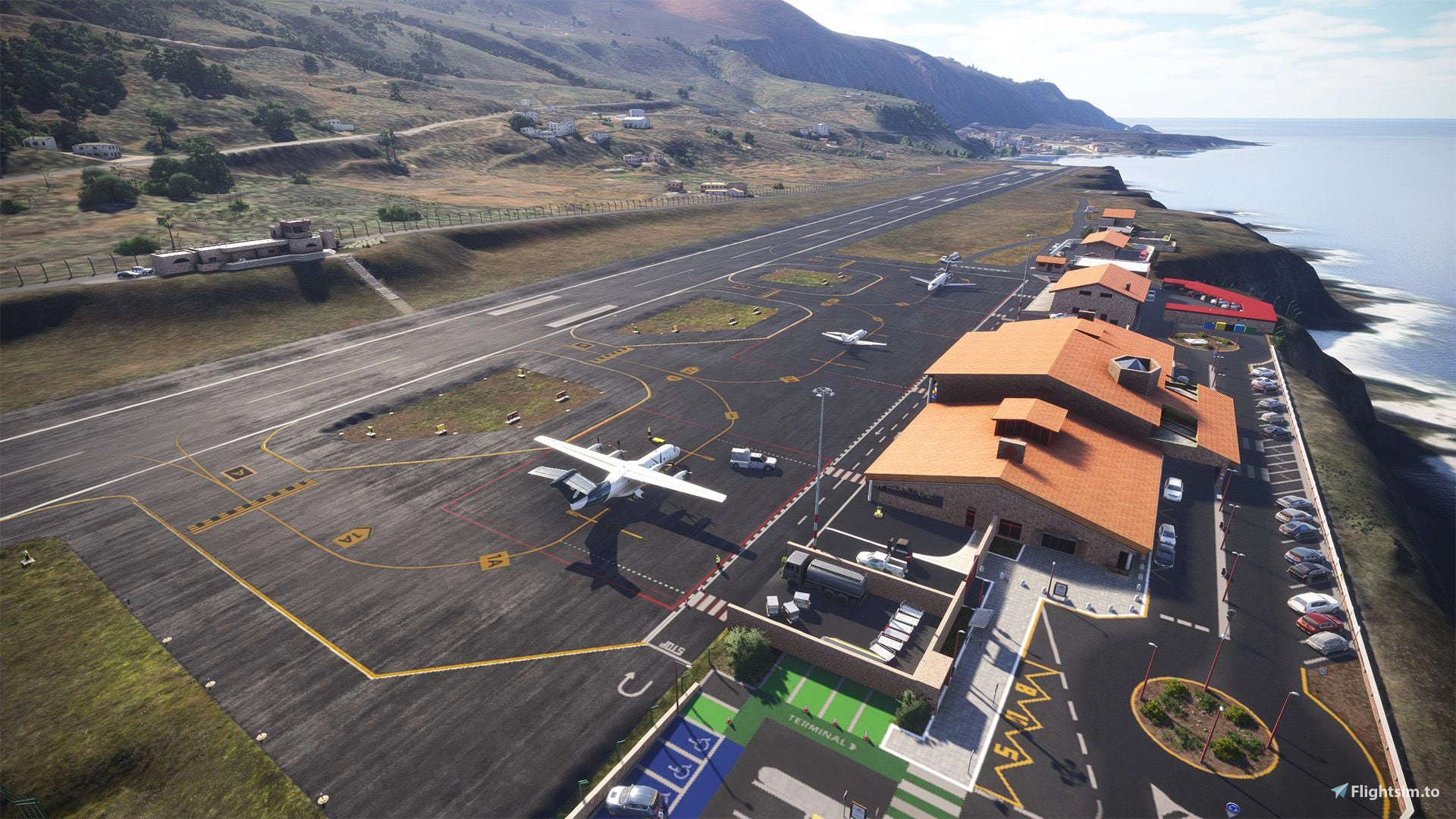
A handcrafted MSFS 2024 recreation of El Hierro Airport, set between the volcanic terrain and rugged Atlantic coastline of the Canary Island
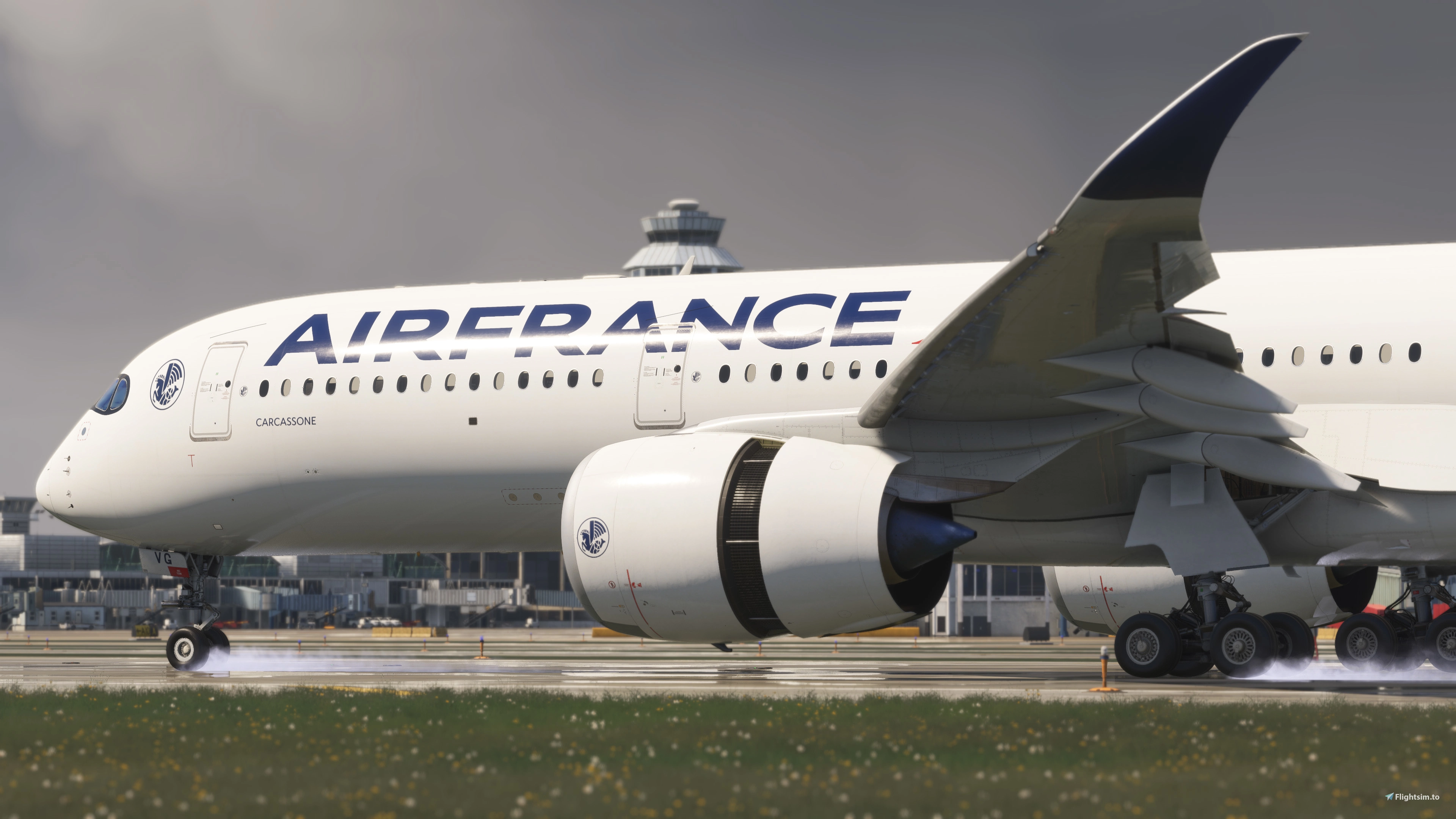
A major free evolution of the iniBuilds A350, expanding systems, flight dynamics, cabin functionality and long-haul operations.
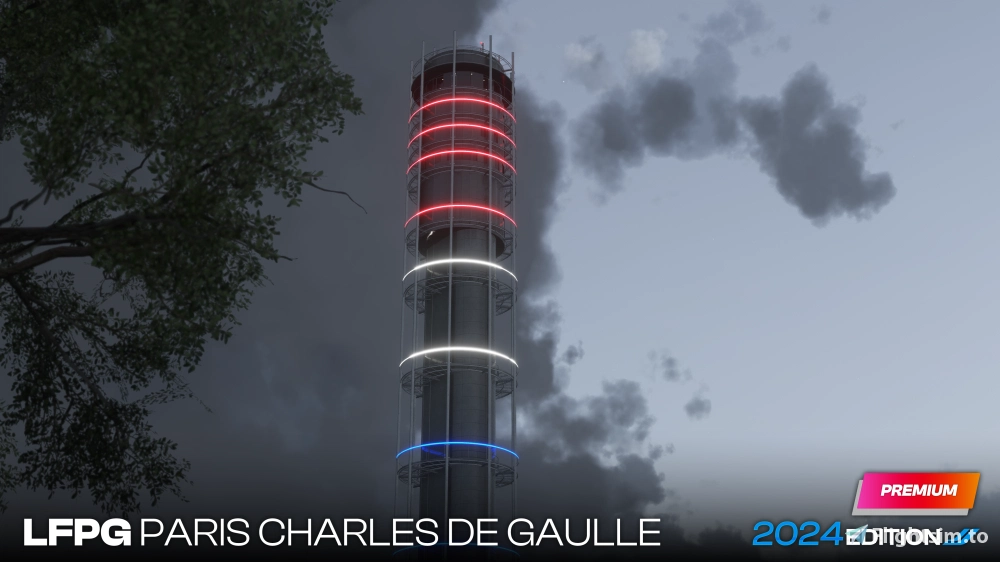
Today, we are pleased to formally announce that iniBuilds Paris Charles de Gaulle Airport (LFPG) for Microsoft Flight Simulator 2024!
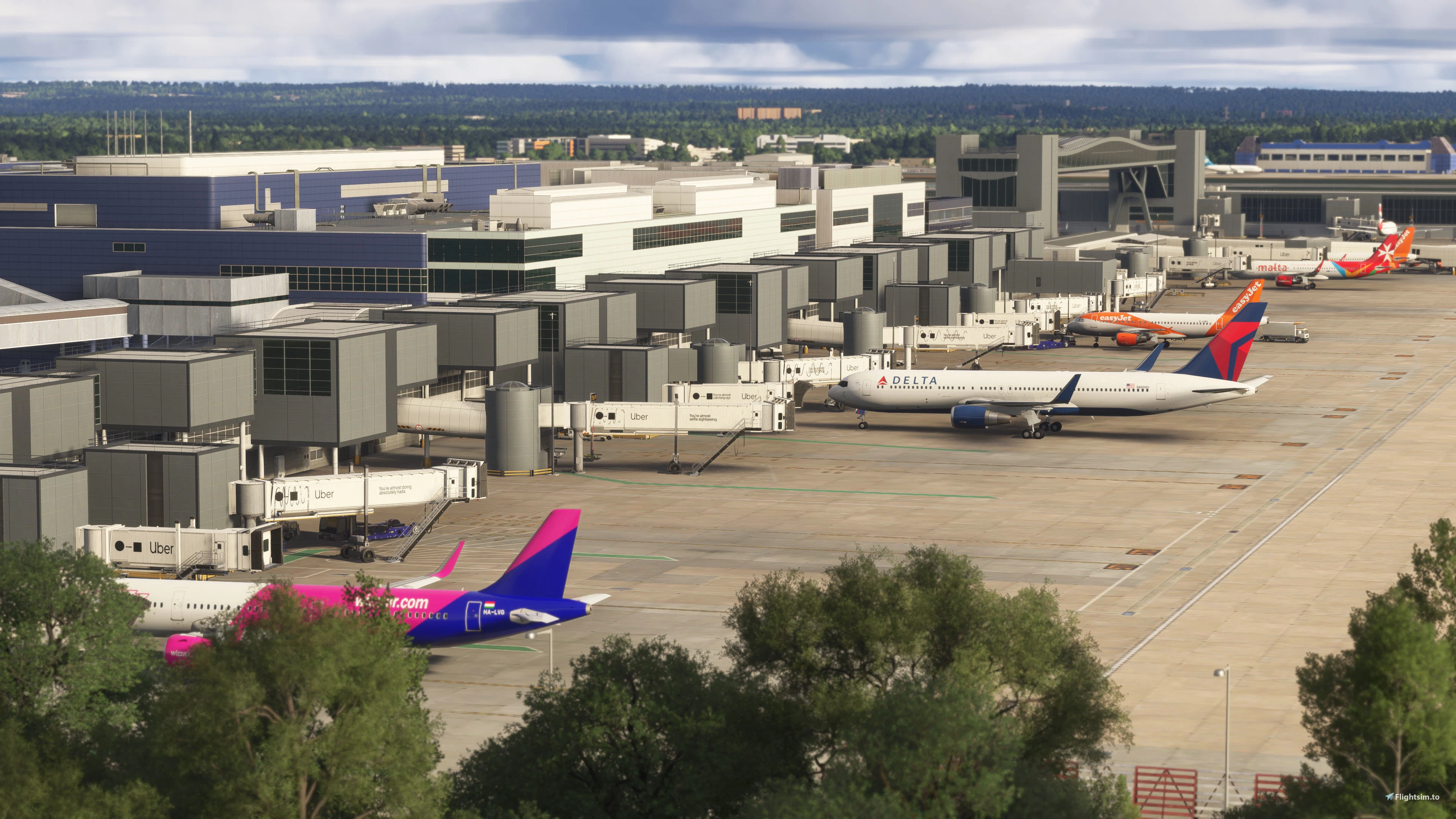
A ground-up recreation of London Gatwick for MSFS 2024, featuring a current airport layout, detailed terminals and optimized performance.
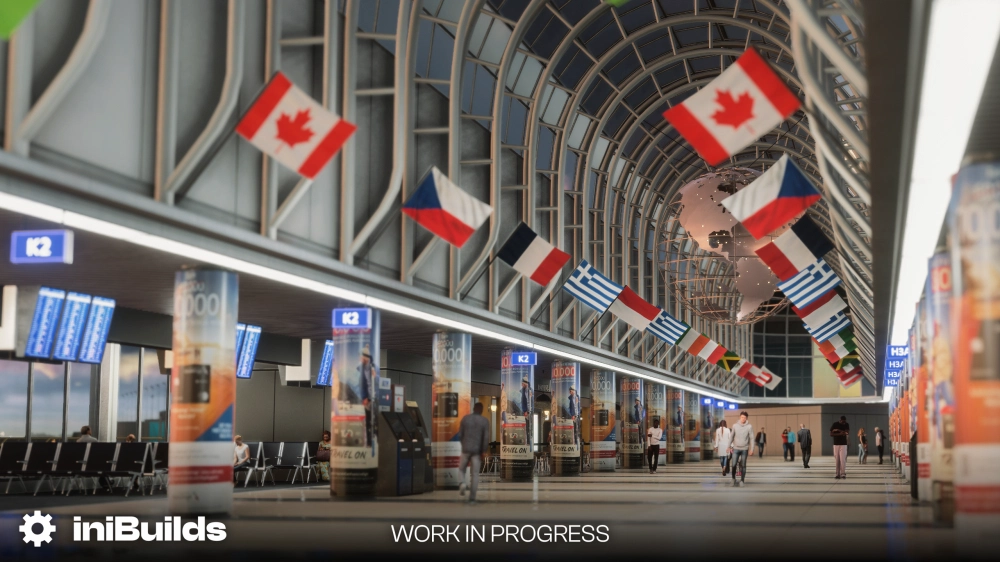
Introducing iniBuilds Chicago O'Hare (KORD) for Microsoft Flight Simulator 2024!
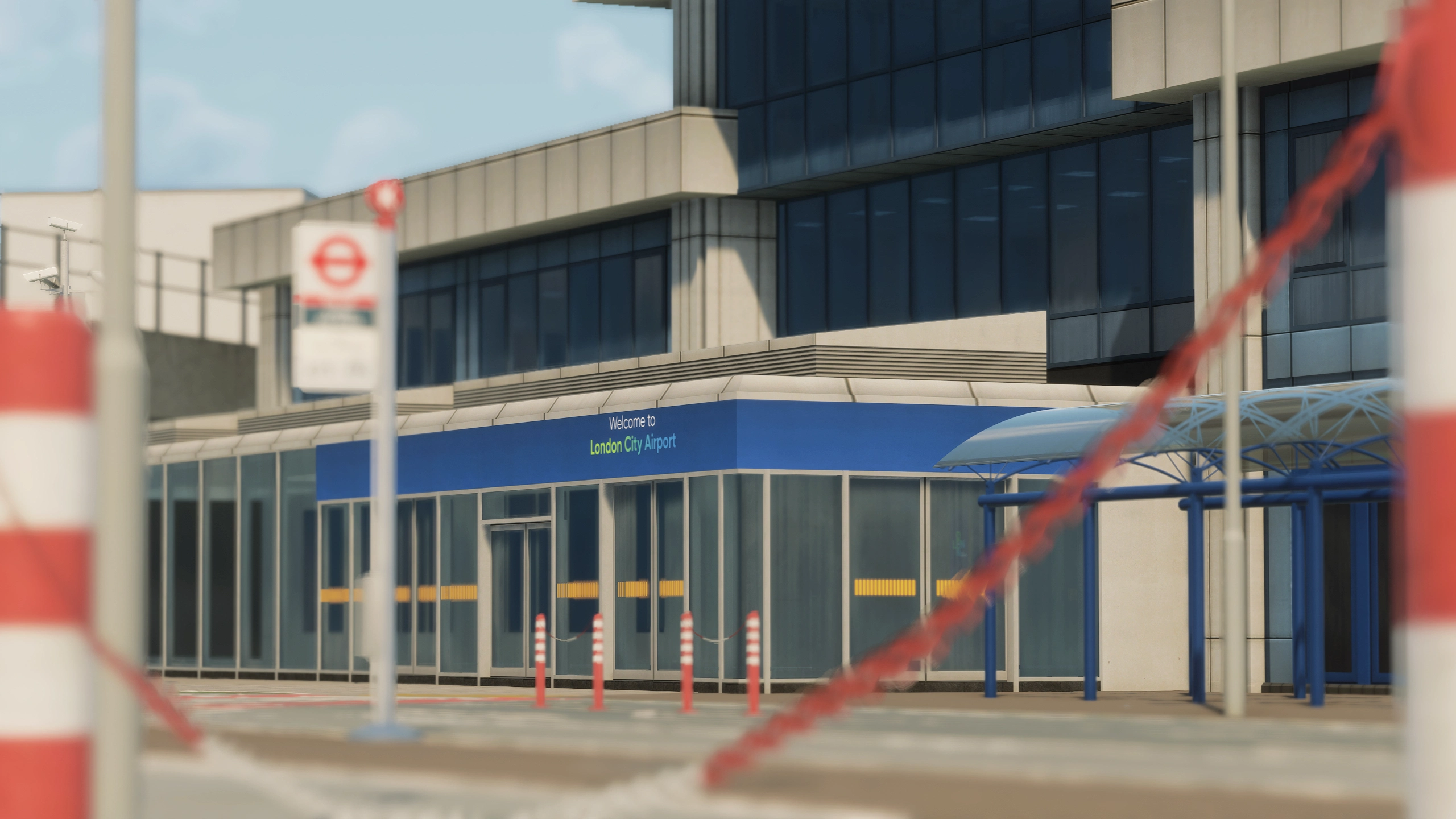
Situated in the heart of East London and surrounded by the iconic city skyline, London City is one of the world’s most unique...
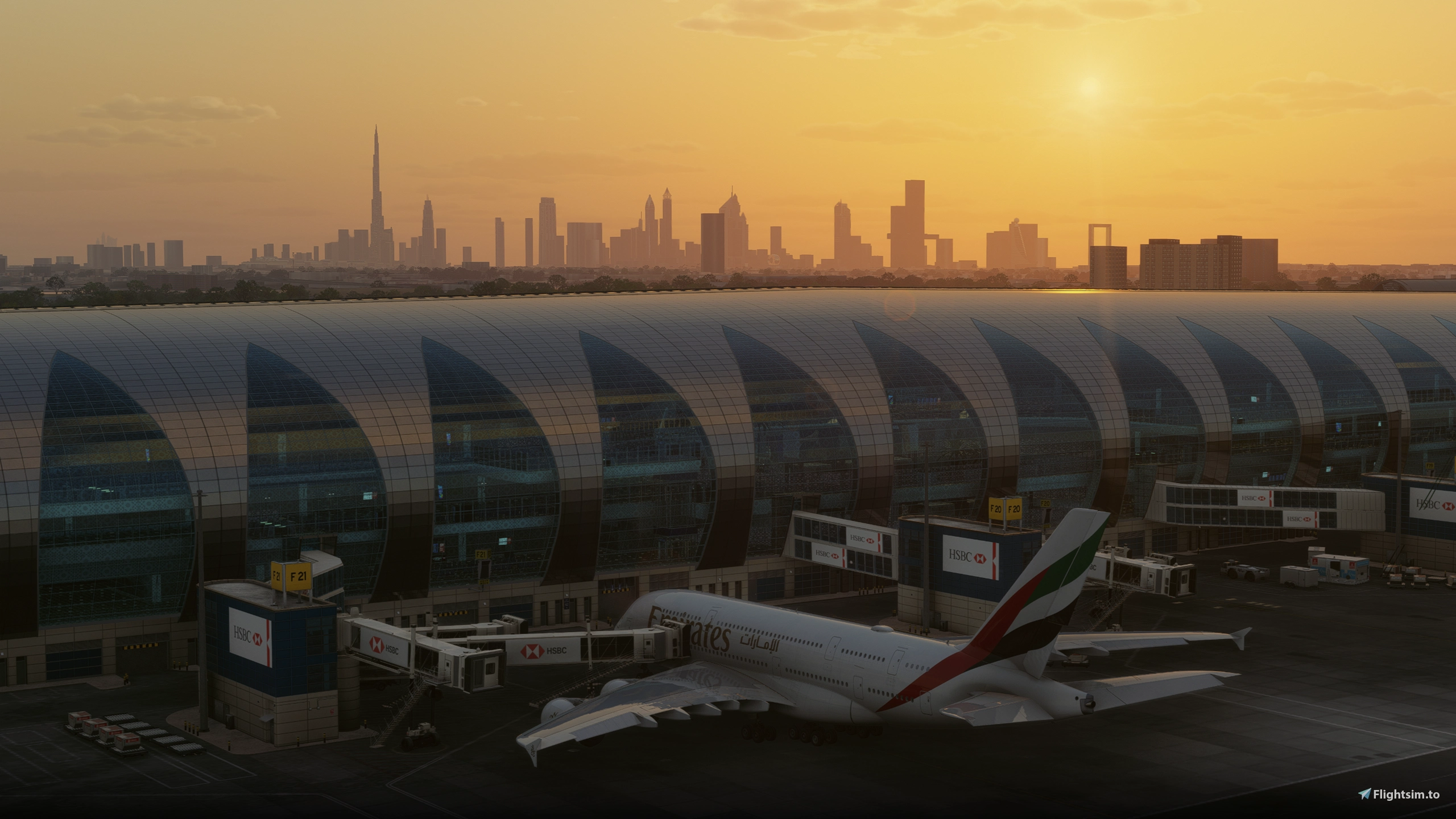
In our previous scenery development update, we revealed that Dubai International Airport V2 was in development.
Recent updates across all of this studio's projects.
The iniBuilds A380 Airliner will be landing later today on the @MSFSofficial 2024 Marketplace! Liveries showcased in the Trailer can now be downloaded via the iniManager.
The time is almost here… the iniBuilds A380 Airliner will be landing next week on the Microsoft Flight Simulator Marketplace! Get ready to experience the worlds largest airliner like never before in MSFS2024!
A closer look at the upcoming iniBuilds A380 Airliner, showcasing the latest cockpit, systems & cabin lighting in action. 💡The Superjumbo is taking shape!
Today, we’re delighted to officially release iniBuilds El Hierro Airport (GCHI) for Microsoft Flight Simulator 2024!
Located on the rugged northeastern coast of El Hierro, GCHI serves as the principal air gateway to the smallest and westernmost of the Canary Islands. Surrounded by the Atlantic Ocean, dramatic volcanic terrain and steep coastal cliffs, the airport offers a truly distinctive island setting. Its exposed location, changing winds and scenic approaches make El Hierro a memorable destination for every virtual pilot.
Available now for £9.99 (excl. VAT): https://inibuilds.com/products/inibuilds-el-hierro-gchi-msfs-2024
iniBuilds put its long-awaited A380 through its first real test flight this week, flying Cardiff to Heathrow live on the official Microsoft Flight Simulator Twitch channel. Over roughly two hours, lead technical developer Cameron and head of production Mike walked viewers through the aircraft while flying a British Airways-liveried A380 along a route the real jet has used when repositioning after maintenance work in Cardiff.
Given how much airframe there is to render, performance was the topic the team spent the most time on. Their main solution: when every door is shut, the interior cabin geometry simply isn't drawn, and it only loads back in once a door is opened. There's also a dedicated no-cabin option for players who'd rather skip modeling the interior entirely. The team was upfront that this approach won't necessarily push your frame counter higher — the goal is steadier frame pacing and fewer stutters, particularly when looking around the cockpit. For a performance baseline, they're aiming to match roughly what the A350 achieves today, with further tuning planned before launch.
On consoles, an Xbox build is already being tested and reportedly holding up well, and the team confirmed ChasePlane compatibility. A PlayStation 5 version hasn't been ruled out, but iniBuilds indicated there's still work to do before that's feasible.
Rather than a single fixed setup, the A380 is shipping with several swappable options:
Combine all three and one purchase should be able to represent a large slice of A380s actually flying today.
A lot of the underlying systems architecture is shared with iniBuilds' existing A350. The EFB has been reworked to pull SimBrief flight plans, coordinate GSX ground services, and automatically factor in intersection departures when calculating takeoff numbers — no more manually trimming runway length by hand. Additional avionics include CPDLC via Hoppie, an onboard weather radar, Brake to Vacate with runway overrun protection, simulated fuel dumping, and a checklist system that can tell when an item hasn't actually been completed.
Failures can either be switched on immediately or left to occur at a random point in the flight. Beyond straightforward failures, iniBuilds also built out less predictable "situations" — things like an erratic fuel leak, vibration building on a randomly chosen engine, GPS interference, or a bird strike that knocks out an engine and leaves visible airframe damage. The ECAM system is reportedly far more elaborate than what's in iniBuilds' A320-family aircraft, with abnormal procedures running several pages deep.
Cameron described the flight model as effectively rebuilt from scratch for this airframe, with a fly-by-wire rotation law tuned so pilots pull back once at rotation rather than holding continuous pressure. Ground handling gets its own learning curve too: the nose gear has a capped turn rate, and — mirroring the real aircraft — the rear body gear also steers, which keeps the nose wheel from dragging sideways under the aircraft's weight. Idle thrust is enough to keep it rolling when lightly loaded, but heavier weights need a thrust nudge to get moving. At the gate, multiple jet bridges connected to the aircraft at once using iniBuilds' own jetway system.
Beyond confirming the aircraft is coming "soon," iniBuilds didn't give a release date or price during the stream. A "Welcome to the A380" video series is planned ahead of launch, and the studio will have a presence as a platinum sponsor at the Flight Sim UK show in Bristol on October 10–11 — worth watching for any further updates.
Development of A350 Airliner V2 is now underway, representing a much broader core upgrade rather than simply a collection of fixes or a visual refresh.
V2 includes major work across the cockpit geometry, interior and exterior artwork, aircraft variants, Head-Up Display, EFB, OIS, systems, failures and ECAM functionality. The update is being developed specifically for Microsoft Flight Simulator 2024 and will be available as a free update for all existing A350 Airliner customers.
The cockpit itself is receiving a substantial geometry overhaul based on newly collected data, giving our art team stronger reference material for revisiting the proportions, positioning and shapes of key flight-deck elements. The wider interior artwork is also being revisited to create a more cohesive and accurate cockpit environment.
Work is taking place on the exterior as well, with particular attention being given to the differences between the A350-900 and A350-1000. The wing geometry of both variants is being revisited so that each aircraft more accurately represents its individual proportions and characteristics, moving away from the more general representation currently shared between them.
The Head-Up Display is receiving a major update to its logic, symbology and behaviour throughout the different phases of flight. Our goal is to improve the accuracy of the guidance shown to the crew and ensure HUD indications respond correctly as flight modes, aircraft configuration and operating conditions change.
Both the EFB and Onboard Information System are also being revisited, with improvements planned to their functionality and integration with the wider aircraft systems. More details on the individual EFB and OIS improvements will be shared as V2 development progresses.
Another major area is the introduction of a new failure system, alongside significant updates to the underlying systems logic. This will allow failures and abnormal situations to be represented in a more detailed and structured way. The ECAM displays and associated logic are being revisited at the same time, creating a closer relationship between simulated system states, failures, alerts and the information presented to the crew.
With V2, Microsoft Flight Simulator 2024 will become the sole development platform for the A350 Airliner. Active development and updates for the MSFS 2020 version will conclude once V2 releases, although the existing 2020 version will remain available to customers in its current form. Focusing entirely on MSFS 2024 allows us to make greater use of the newer platform technology without being constrained by the previous simulator generation.