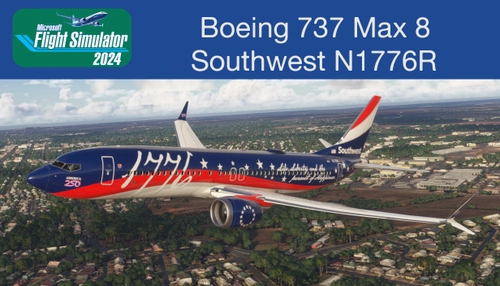
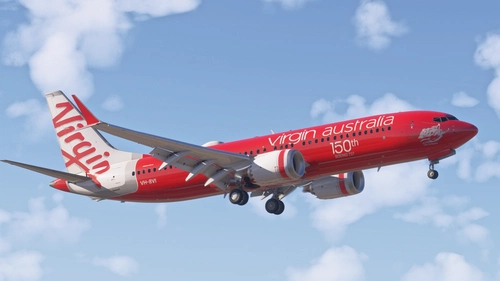
The Boeing 737 MAX 8 is a next-generation narrow-body jetliner and a member of Boeing's highly successful 737 family, designed to offer greater efficiency, improved passenger experience, and reduced environmental impact. Introduced in 2017, the 737 MAX 8 features advanced aerodynamics, including distinctive split-tip winglets, and is powered by CFM International LEAP-1B engines. These innovations contribute to a 14% improvement in fuel efficiency compared to its predecessor, the 737 Next Generation (NG), making it an attractive option for airlines aiming to reduce operational costs and emissions.
The aircraft has a seating capacity typically ranging from 162 to 210 passengers, depending on the cabin configuration, and a maximum range of 6,570 kilometers (3,550 nautical miles). This versatility enables the MAX 8 to serve both short domestic routes and longer transcontinental or international flights. The cabin is designed with passenger comfort in mind, featuring modern LED lighting, quieter engines, and larger overhead bins for improved storage. Advanced avionics and flight deck systems enhance operational efficiency and provide pilots with improved situational awareness.
Despite its initial grounding following two high-profile accidents, the 737 MAX 8 underwent extensive scrutiny and design changes to improve safety and reliability. After rigorous testing and certification processes, it returned to service in late 2020 and has since regained the confidence of many airlines and passengers. The 737 MAX 8 remains a core component of airline fleets worldwide, favored for its cost efficiency, operational flexibility, and suitability for a wide range of routes, from high-density markets to underserved regional connections.

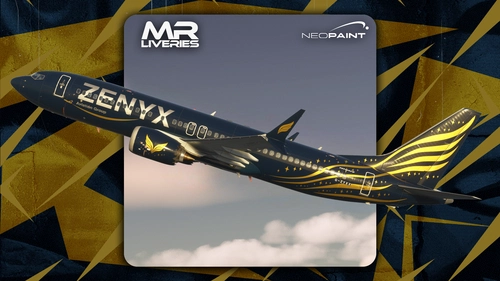


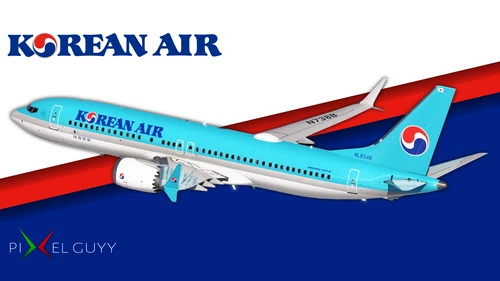
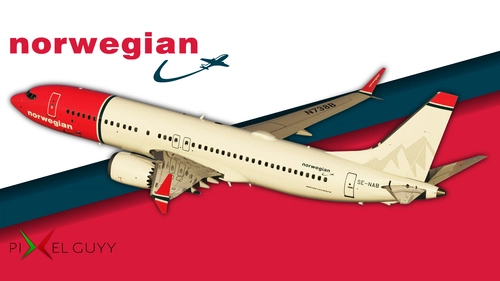
![Asobo Boeing 737 MAX 8 - Boarder Airlines [French Virtual Airlines]](https://cdn.flightsim.to/images/28/20260521_235225_c45134493aff445a_asobo-boeing-737-max-8-boarder-airlines-french-virtual-airlines.png?width=500)