

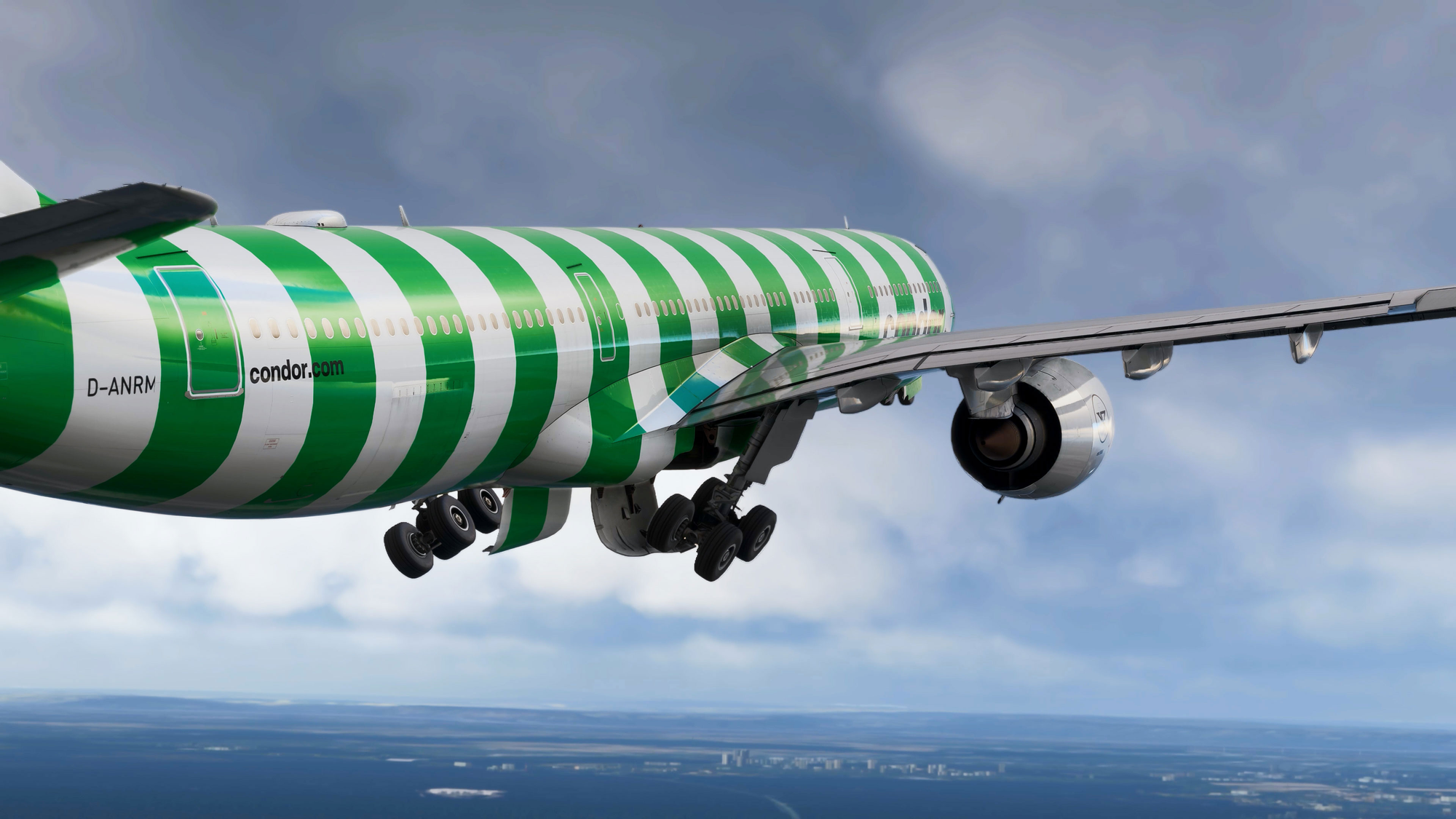
The Airbus A330-900neo has become one of the defining widebody aircraft of the past decade. The aircraft first flew in 2017 and entered commercial service in 2018. Today it flies for carriers such as Delta Air Lines, Condor, and ITA Airways, making it a familiar sight on long-haul routes — and, by extension, a natural candidate for the flight simulation community.
That is exactly where Aerosoft has now stepped in. The German developer and publisher has released the ➡️ A330-900neo for Microsoft Flight Simulator 2024, and it did so with almost no warning. Unlike many other long-running projects, there was no confirmed release date, no countdown, and no major marketing push beforehand — the add-on simply appeared in the Aerosoft webshop. For an aircraft that had been previewed as far back as FlightSimExpo 2025 and whose completion had, at one point, seemed to be drifting toward a vague 2026 window, this is a notable way to finally reach the finish line.
What's Included
According to Aerosoft, the A330-900neo was built entirely from scratch using real-world references and technical documentation of the actual aircraft. At its core sits a custom-built fly-by-wire system featuring Normal Law and Direct Law along with Airbus-style flight envelope protections. Inboard and outboard ailerons are modelled independently alongside the spoiler panels, and a dedicated flare law kicks in shortly before touchdown to give you a more direct stick-to-elevator feel. This is backed by a detailed aerodynamic model that accounts separately for the lift and drag contributions of flaps, spoilers, and landing gear.
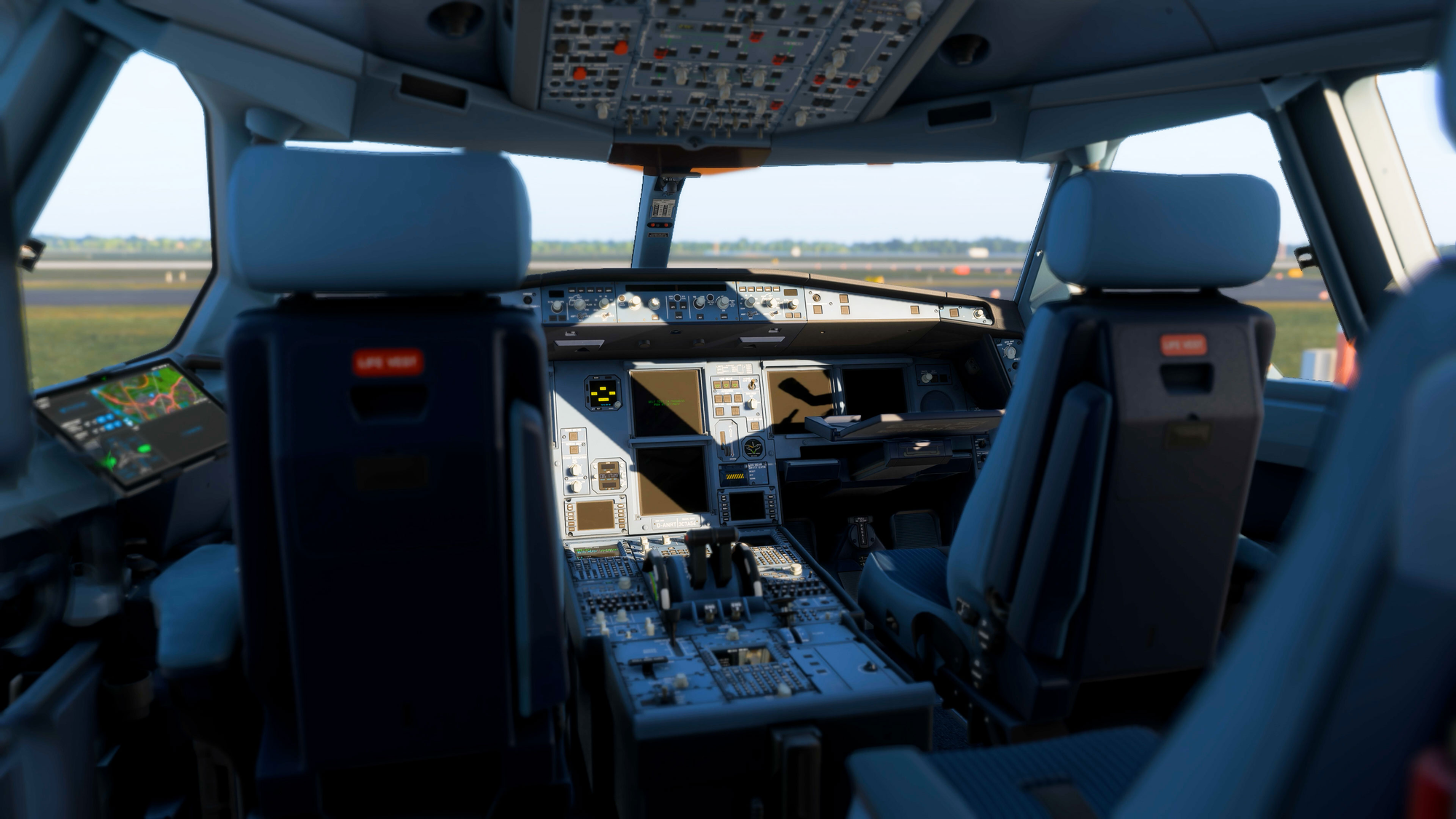
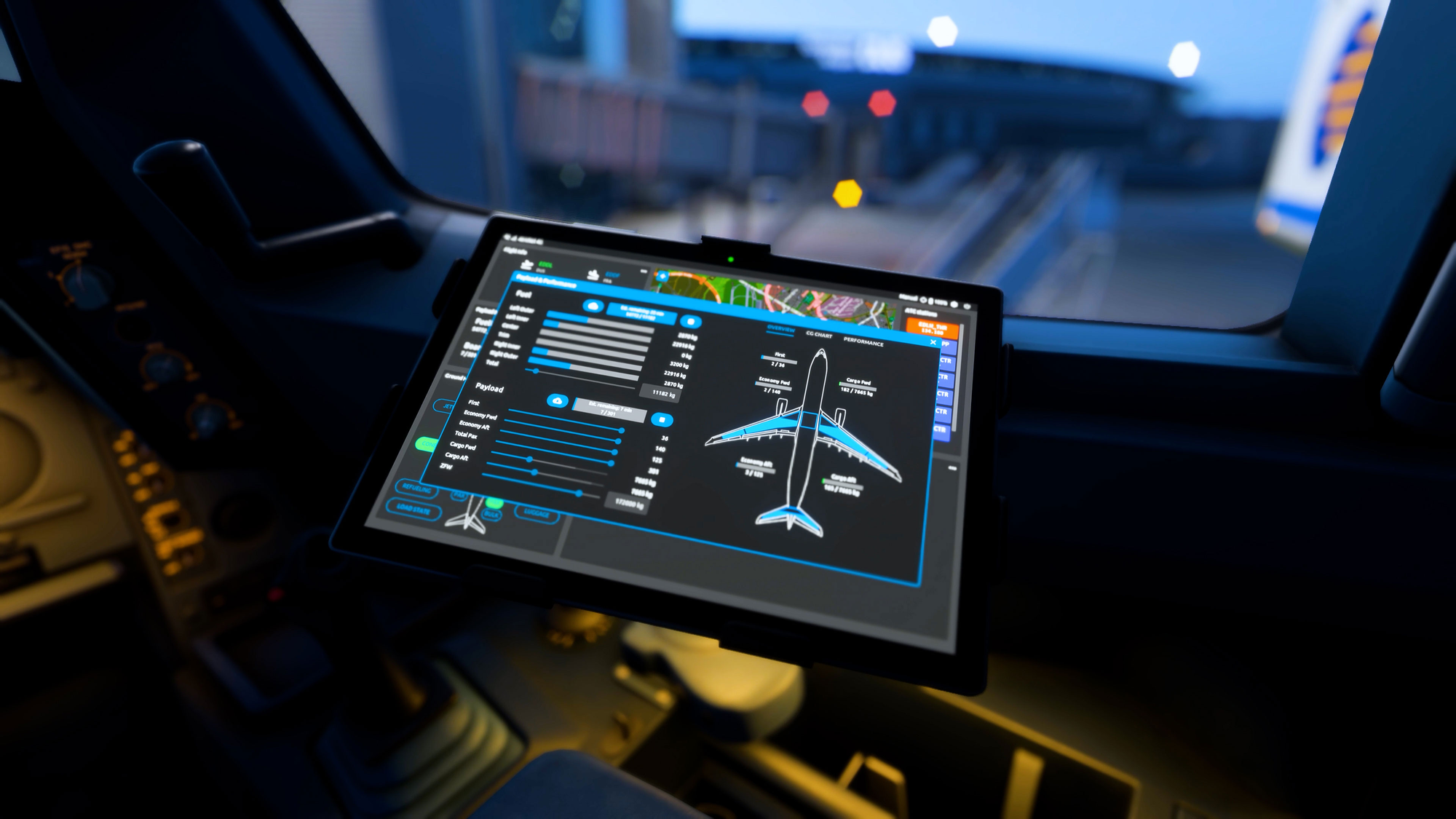
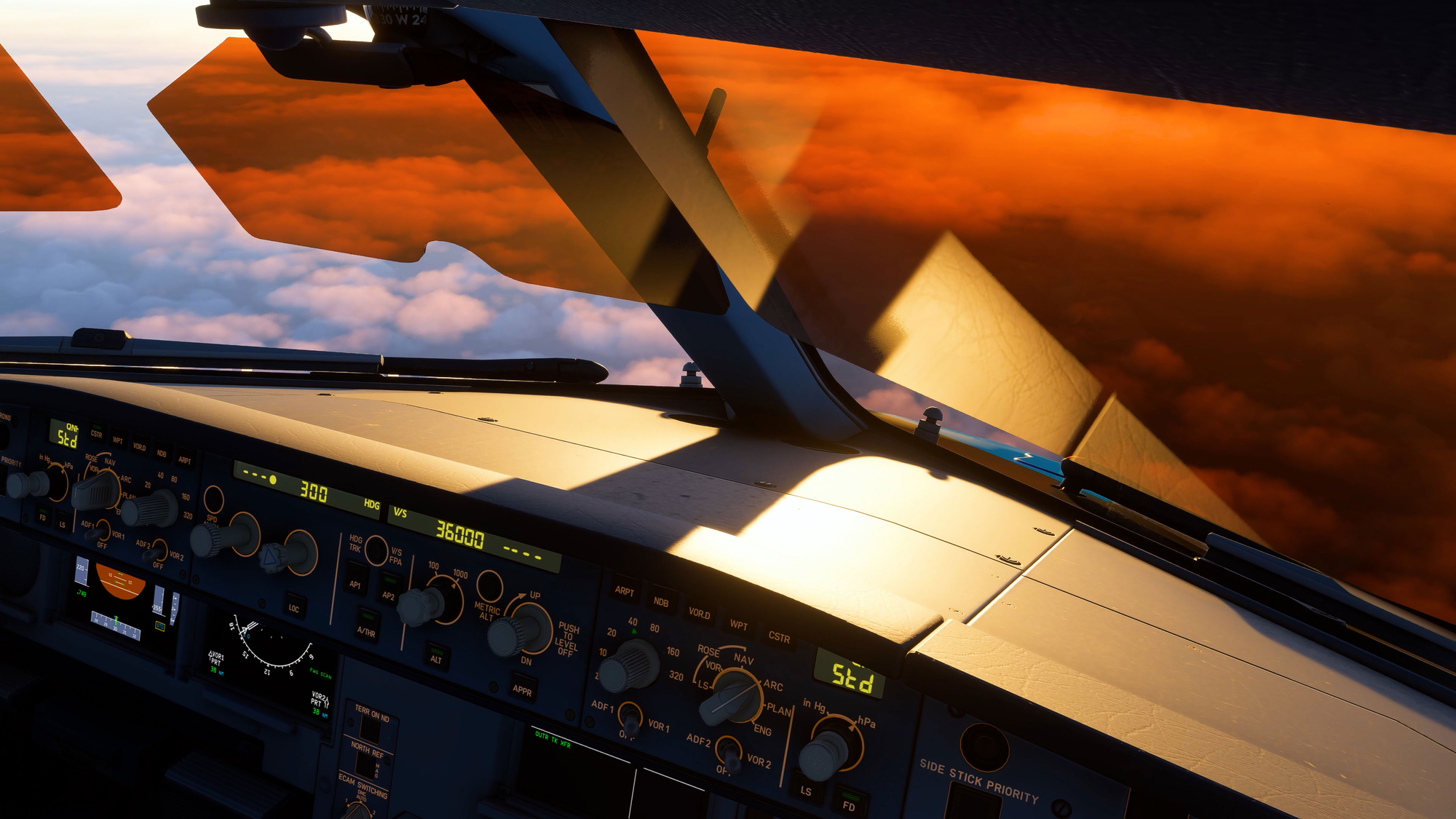
On the systems side, the aircraft comes with a custom-developed FMGS running two independent MCDUs for captain and first officer, a third standby MCDU, and two independent autopilots. You get full ARINC 424 leg support, secondary flight plans, pilot-defined waypoints, and direct SimBrief import through the MCDU INIT page. Add to that a functional weather radar, TCAS with VATSIM and IVAO traffic injection, an EGPWS, and a fully modelled ISIS standby instrument. The deeper systems layers — hydraulics, electrics, bleed air, fuel management, and a dedicated Trent 7000 engine model with custom FADEC logic — are all said to be simulated in depth and to interact with one another, so a hydraulic failure, for instance, has real knock-on effects on spoilers and ailerons. Rounding things out is an Electronic Flight Bag with weight-and-balance and take-off performance calculations, Navigraph integration, and a fully modelled passenger cabin to match the cockpit.
A Deliberately Approachable Alternative
Back at FSExpo, the team already described its intent to make the neo more approachable than a true study-level product, without stripping out systems depth entirely. That philosophy is reflected in the price: at €25.20 excluding VAT, the A330-900neo sits at the same level as the existing ceo base pack and well below what study-level widebodies typically cost. Part of what makes that pricing possible is funding from Germany's Federal Ministry of Research, Technology and Space, which supported part of the aircraft's development.
Some context from the aircraft's history helps frame this release. The older A330ceo, which Aerosoft released for MSFS 2020 back in October 2024, had a rough start: missing core functions such as holds, direct-to, and manual wind entry frustrated pilots flying on online networks like VATSIM and IVAO, and the aircraft never fully recovered from that first impression. Aerosoft itself later admitted the launch "wasn't our best work". That history puts extra scrutiny on the neo — a pre-release build tested last autumn already showed solid performance and an improved EFB, but was still missing some of those same core functions at the time. Whether they have since been added in the final release remains to be confirmed as the community puts the aircraft through more thorough testing over the coming days. Aerosoft has also confirmed that, once the neo has been refined, the ceo will receive an update bringing it up to the same technical standard — including MSFS 2024 compatibility.
The ToLiss Question: A Separate, Second Project
Alongside the release, Aerosoft has cleared up a point of confusion that had been circulating in the community. Today's A330-900neo was developed entirely in-house and does not involve ToLiss in any way. At the same time, Aerosoft has confirmed a renewed collaboration with ToLiss, the X-Plane developer known for its high-fidelity systems work, following their earlier partnership on the A340-600 Pro. That collaboration is now producing a second, separate aircraft for MSFS 2024, referred to as the A330neo Pro, which is expected to aim for a considerably deeper level of systems simulation in line with what ToLiss is known for.
No concrete details on features, pricing, or a release window for the A330neo Pro have been shared yet, and Aerosoft has explicitly stated that the project is still in an early stage of development. In practical terms, that means: if you buy today, you're getting the more approachable version developed solely by Aerosoft. If you're holding out for a study-level experience closer to what ToLiss offers on its other Airbus products, you'll need to wait — but the A330neo Pro is coming as its own, more technically ambitious take on the same airframe.
With the A330-900neo, Aerosoft brings a competitively priced widebody to MSFS 2024, aimed squarely at long-haul pilots who want a realistic but not overly complex cockpit. Whether the gaps in online-relevant functionality noted in earlier test builds have been closed in the final release remains to be seen over the coming days. If you're interested in the aircraft, it's available now through the Aerosoft webshop: 👉 Aerosoft Aircraft A330 NEO on the Aerosoft Shop.
about 1 month ago