
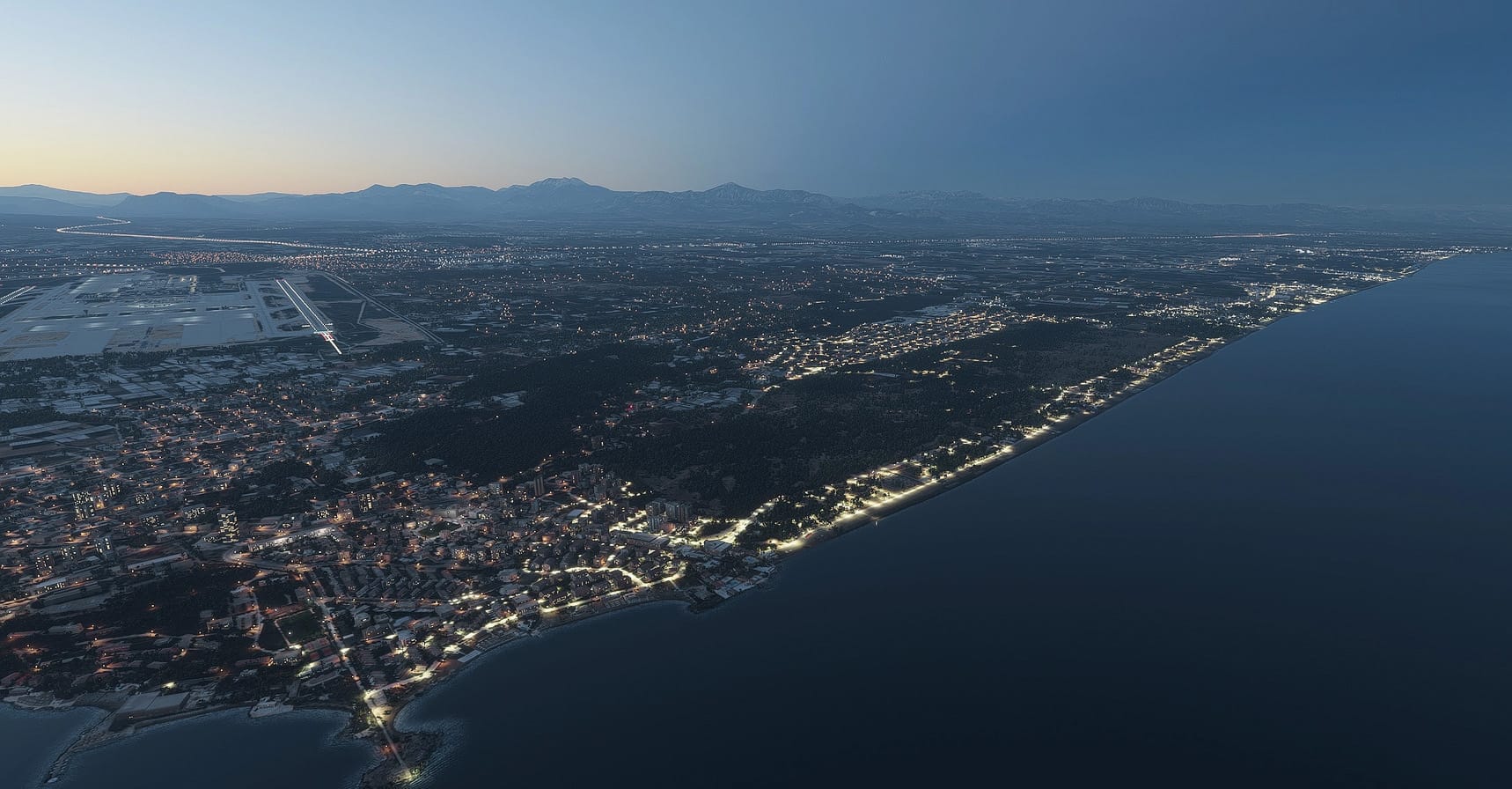
Night flying is one of the areas where Microsoft Flight Simulator 2024 can still leave room for improvement, particularly over cities and regions where the default lighting lacks density, realism, or geographic accuracy. 🔗 900 Simulations continues to address that gap with a growing lineup of handcrafted and data-driven night lighting enhancements, and its latest releases bring dramatically improved nighttime environments to Innsbruck, Greece, and Antalya.
While each package targets a different type of destination — from a compact Alpine city to an entire country — they all share the same objective: replacing generic simulator lighting with realistic, high-quality illumination that enhances both immersion and visual navigation.
Three Destinations, Three Different Approaches
Innsbruck: Handcrafted Detail in the Alps
For one of Europe's most iconic mountain airports, 🔗 Innsbruck Night Lighting focuses on craftsmanship rather than scale. Designed specifically for Microsoft Flight Simulator 2024, the package features manually placed lighting throughout the Tyrolean capital, covering highways, city streets, residential neighborhoods, and public parks. Rather than relying solely on procedural generation, 900 Simulations has carefully balanced warm traditional street lighting with cooler modern LED illumination to recreate the authentic nighttime appearance of the Austrian city. The add-on has also been optimized for minimal performance impact and is designed to work alongside existing LOWI airport scenery and regional add-ons without conflicts.
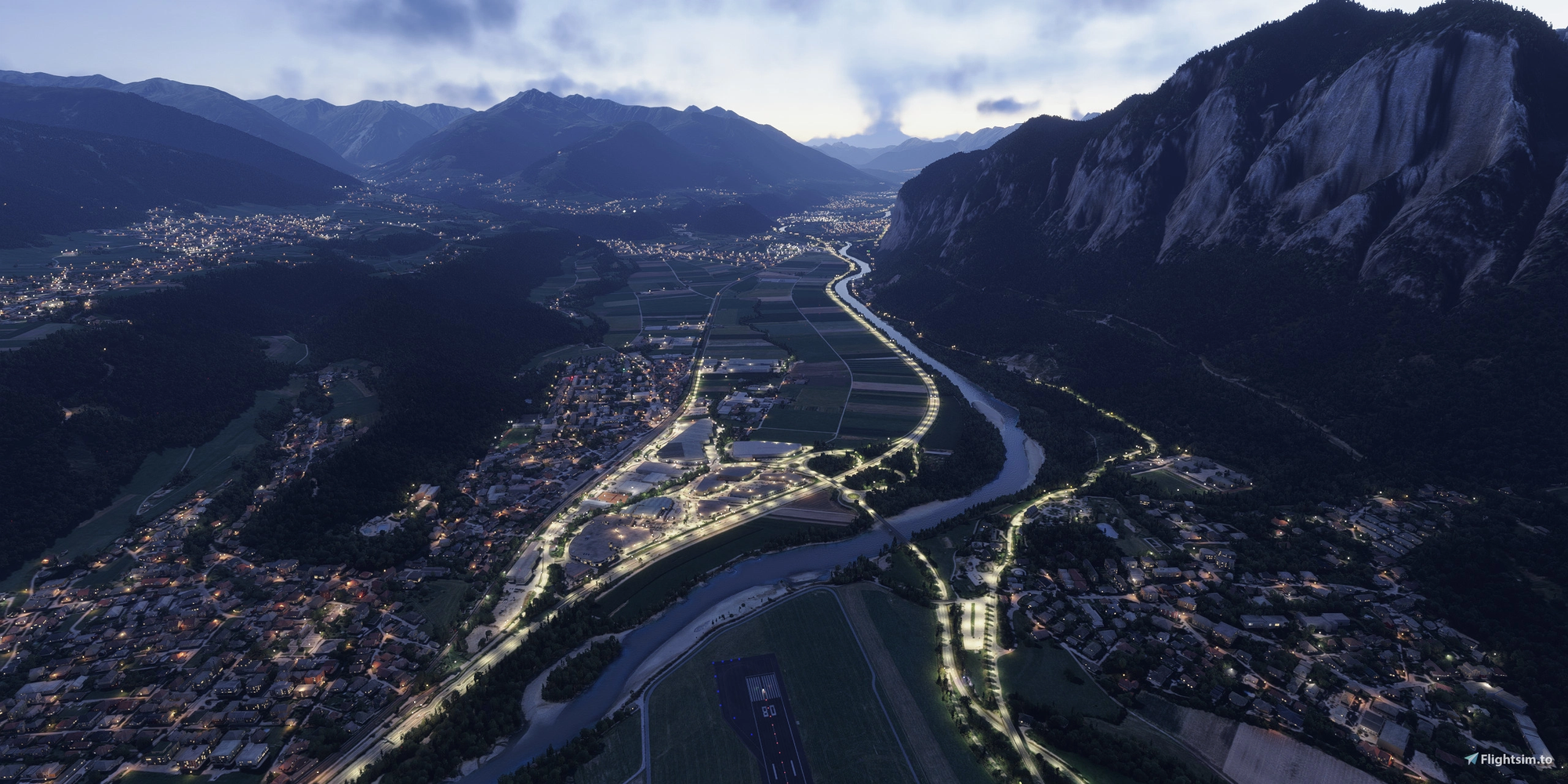
For pilots flying the challenging approaches into Innsbruck or exploring the Alps after sunset, the enhancement provides a noticeably richer nighttime environment.
Greece: A Nationwide Lighting Overhaul
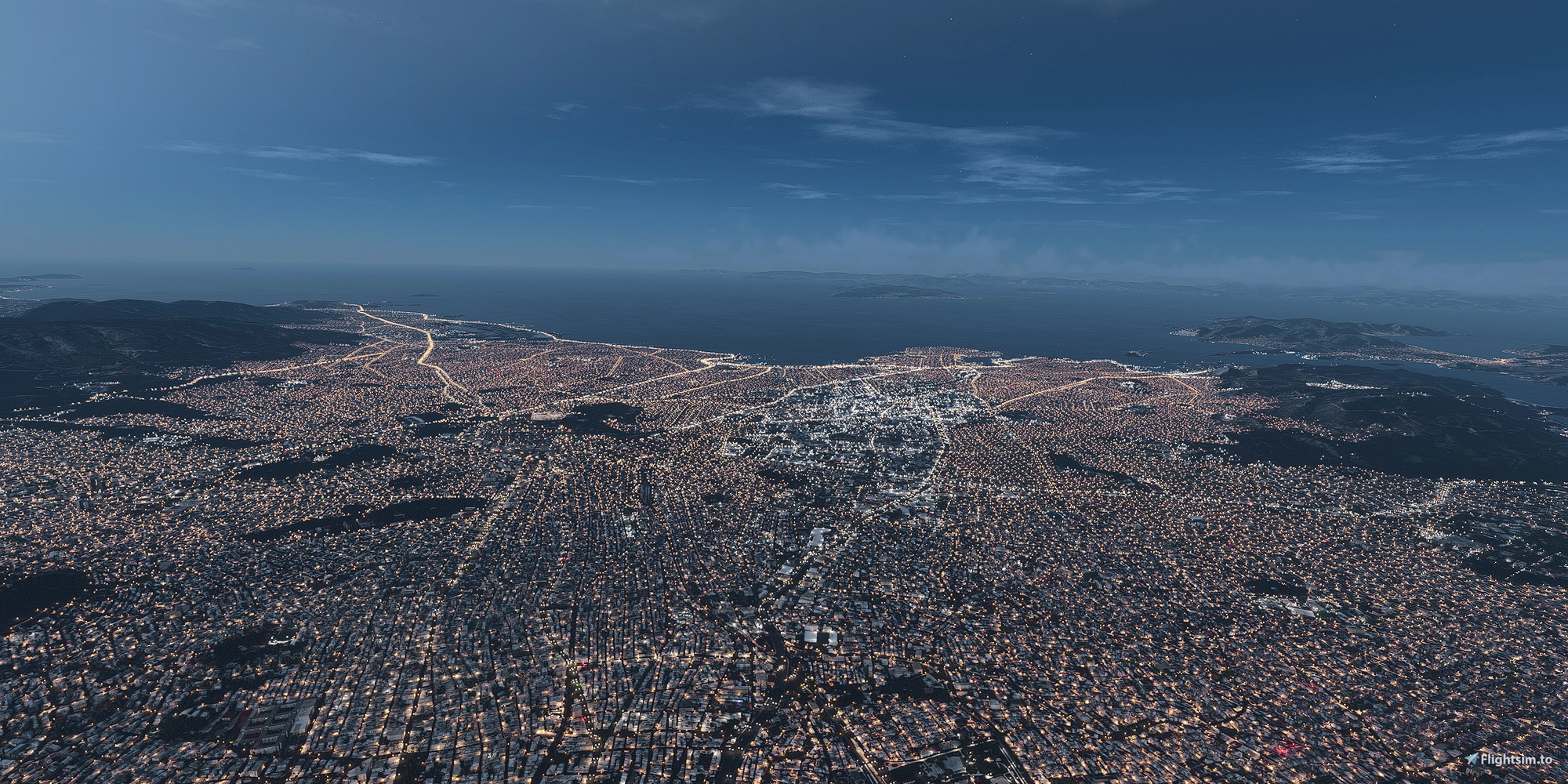
At the opposite end of the spectrum sits 🔗 Greece Night Lighting, the largest project of the three. Instead of focusing on a single city, the add-on illuminates the entirety of Greece using more than one million custom light sources placed with professional QGIS geographic data. Major metropolitan areas including Athens and Thessaloniki are covered alongside rural road networks, coastal villages, and the countless islands scattered across the Aegean Sea. Because the lighting follows real-world road layouts, pilots gain both improved immersion and practical visual references for VFR night operations. The contrast between illuminated coastlines, island settlements, and the surrounding dark waters creates particularly striking nighttime scenery. Given the scale of the project, 900 Simulations recommends 32 GB of RAM for the best experience, especially when operating over dense urban environments.
Antalya: Bringing the Turkish Riviera to Life
Completing the trio is 🔗 Antalya Night Lighting, which transforms one of the Mediterranean's busiest tourist destinations and a major hub for international aviation. Using real-world geospatial road data, the package recreates Antalya's dense urban lighting network, including coastal highways, major arterial roads, and the city's extensive metropolitan area. The add-on has been built around advanced object instancing techniques to keep performance overhead low despite the significantly increased lighting density. Like the Innsbruck package, Antalya Night Lighting integrates with both the default Microsoft Flight Simulator 2024 scenery and most third-party airport add-ons, providing a straightforward "plug-and-fly" installation.
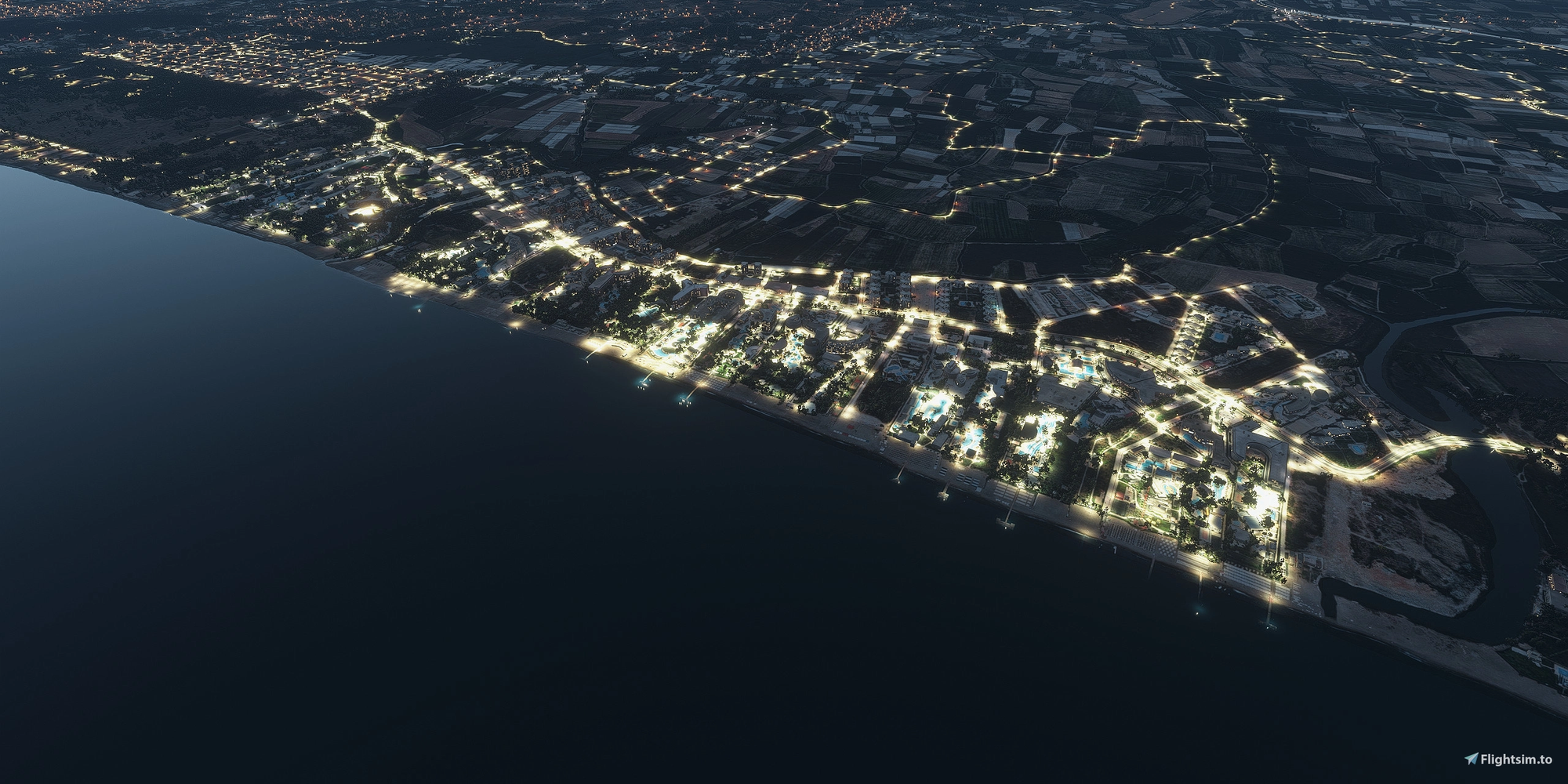
Whether through handcrafted placement in Innsbruck or GIS-based nationwide coverage in Greece and Antalya, each package aims to make night flying feel more authentic while maintaining smooth simulator performance. All three add-ons are available now exclusively for Microsoft Flight Simulator 2024 through the Flightsim.to Store.